
















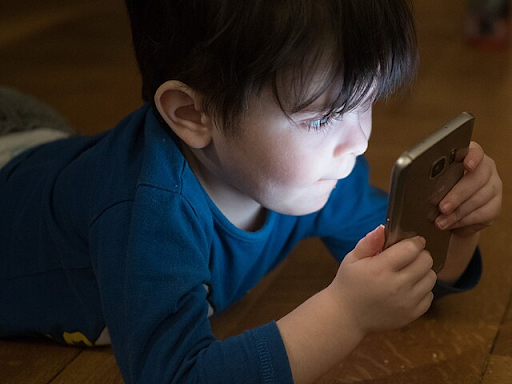
Pretty much all of us have said at least once that we could go without our phone for a day, but could we really? How would we actually act?
Most of us check our phones multiple times throughout the day, whether it’s to text a friend, check notifications, or find out what time it is. It’s easy and convenient to check our phones, but since phones became more common, there has been a decrease in students’ ability to read a clock.
What about texting your friends? It’s a fast way to communicate and you don’t have to go find them to talk in person, which has caused a decline in face-to-face conversations and has also led to an increase in social anxiety.
So, how dependent have we become on our phones, and why?
Since the 1990s, phones have transformed from simple calling devices into portable entertainment centers, offering games, social media, videos, and messaging all in one place.
With so many features packed into one device, it’s easy to understand why students rely on their phones throughout the day. While you’re in class, you could get a notification, or maybe you didn’t get to finish something earlier. Now you’re distracted, thinking about what’s happening on your phone instead of what’s happening in class. But even if we didn’t have our phones would it help us focus better?
The experiment with stricter phone rules at the beginning of the year gave students a glimpse of what a school day without phones might look like. Whether we see phones as a distraction or a necessity, the experience left many of us wondering the same thing: what would a full day without our phones really be like?

Angel • Mar 30, 2026 at 10:04 am
People can’t stop checking there phones
Jeremiah • Mar 30, 2026 at 10:00 am
Indeed think it would be like a normal day