












Seasonal Affective Disorder (SAD), commonly known as seasonal depression, is a type of depression that happens at the same time every year. It is linked to changes in sunlight exposure. It has been shown that females get diagnosed four times more often than males. There are two types of seasonal depression: while winter SAD is the most common, some people experience the opposite pattern with summer depression.
Summer depression, or summertime blues, happens during the summer and spring. It could happen because of changes in your night or morning routine, feeling drained from the heat, pressure to have fun, or allergies. Most people with summer depression live closer to the equator, but it could happen to anyone. Summer depression has a few symptoms different from winter depression, like having trouble sleeping, having a loss of appetite that can cause weight loss, being easily irritated or agitated, anxiety, insomnia, occasional aggression, or restless behavior. For more information, you can go to Summer Depression: Symptoms, Risk Factors, Diagnosis, Treatment, and Coping or Yes, You Can Get SAD in Summer
Winter depression occurs during the fall and winter. It is typically associated with a reduction in sunlight exposure. During the winter and fall time, your circadian rhythm, also known as your internal clock, can be affected. Having a reduction in light exposure affects your sleep-wake cycle, hormone production, and mood regulation. Since the days get darker sooner, your body produces more melatonin, which can lead to feelings of sleepiness and lethargy throughout your day. It also causes a decrease in serotonin, which has been linked to depression and irritability. Serotonin can be converted to melatonin with lower light intensity. Some symptoms of winter depression you might experience are: oversleeping, weight gain, being withdrawn socially, increased appetite, fatigue, having low energy, and craving high-carbohydrate foods. For more information, you can look at Why Do Our Brains Get Depressed in Winter?
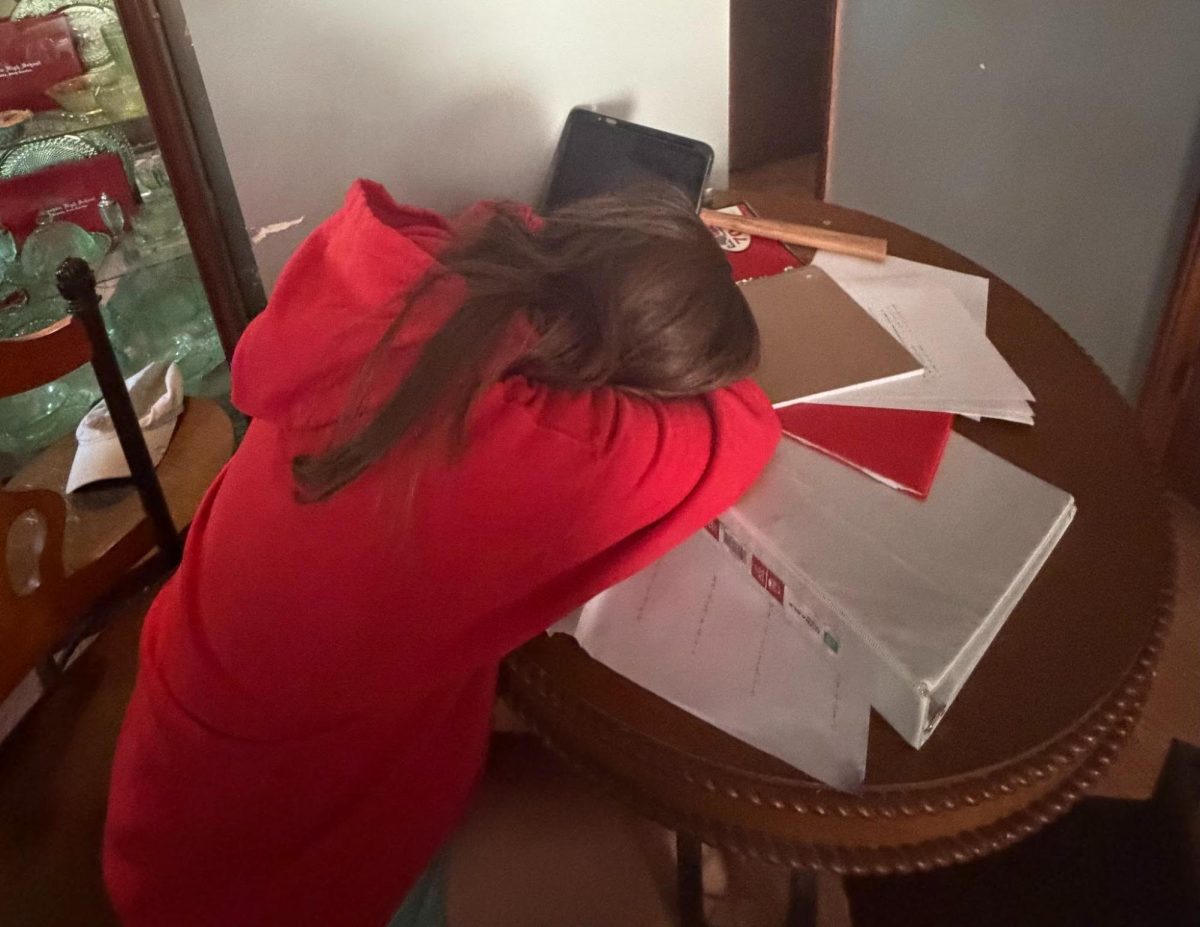
Teens are at the highest risk of seasonal depression. Some studies suggest that about 17.8% of teens in the US experience seasonal depression at least once. SAD affects students more, with them having academic stress, extracurriculars, hormonal changes, social interactions, a disruption in circadian rhythms, or social media.
In school, we don’t see a lot of mental health conditions openly discussed. Since teens are at a higher risk, it is important for schools to increase their awareness. Educators should be able to recognize the signs of seasonal depression, provide support, and create a safe environment where students feel comfortable expressing their feelings.
Sometimes you don’t understand your own emotions and need others to also understand that. “You don’t really understand why you feel sad, it’s just sorta there like a shadow that you can’t outrun,” said Celia Bedini, 9th grade.
SAD can make you tired, unmotivated, or change your mood altogether. These mood changes are most commonly from the change in light exposure or from the cold temperatures’ effect on your brain.
If you think you have seasonal depression, you can get help from someone like a school counselor, teacher, or your friends. If SAD goes untreated, it can interfere with your relationships and friendships, emotional stability, and productivity. If you don’t feel comfortable going to someone, studies have shown that exercise, light therapy, eating nutritious food, journaling, and being outside could help. You could also find a creative outlet, fidget/grounding methods, listen to music, engage in physical movement, or get a good night’s sleep. Seasonal depression is real, and recognizing it can make a huge difference. No one should feel like they have to go through this alone.
Resources:
Seasonal affective disorder (SAD) – Symptoms & causes – Mayo Clinic

Chloe Goforth • Mar 4, 2026 at 10:17 am
Very educational and wise telling, amazing effort and dedication!!!
Haiden Austin • Mar 4, 2026 at 10:11 am
SAD is probably one of the most annoying things to deal with! I always notice by wintertime, I’m mopey, unmotivated, sad, discouraged and just ready to start over. I like to think that maybe SAD isn’t necessarily a bad thing though, because we’re supposed to rest in wintertime! Perhaps SAD is a way for the body to hone in on resting and staying warm instead of pushing through schedules and work :-).