















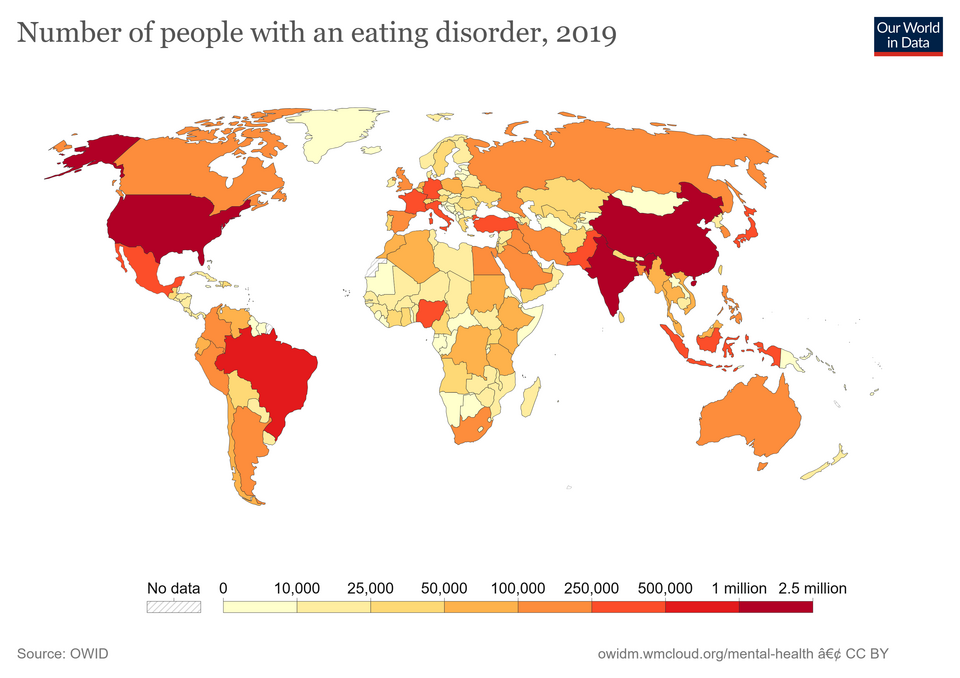
What is an eating disorder? Eating disorders are behavioral conditions characterized by severe and persistent disturbance in eating behaviors and associated distressing thoughts and emotions. They can be very serious conditions affecting physical, psychological and social function. What are Eating Disorders?
Eating disorders can affect multiple aspects of your life, including cardiovascular, gastrointestinal, neurological, endocrine, cognitive decline, bone-density loss, dental erosion, and an increased risk of chronic illness. Eating Disorder Health Consequences
One of the most common questions asked is why, but this isn’t as simple as it sounds. Experts link eating disorders to a combination of factors, such as family relationships, psychological problems, and genetics. The teen may have low self-esteem and be preoccupied with having a thin body. Perhaps they have been bullied because of their weight. Sometimes, being part of a sport such as ballet, gymnastics, or running, where being lean is encouraged, is associated with eating disorders in teens. In one study, researchers linked anorexia with perfectionism – concern over mistakes, high personal standards, and parental expectations and criticism. Eating Disorders in Teenagers. There have also been studies showing that eating disorders can be genetic.
Other symptoms could include “obsessing over calories, meals, and excessive exercise. Skipping meals or throwing up after meals. A lot of times, friends notice these things before family members do,” said Kimberly Ensley, an FHS counselor.
When thinking of eating disorders, we normally think of females, but it’s just as common in males. Males actually make up about a third of the population that has been diagnosed with an eating disorder. They are increasing at an even faster rate than females. Eating disorders do show up in different ways in males, so it does make it harder to detect if they have one. Male eating disorders develop more around getting the ideal physique, which causes them to have reverse anorexia or bigorexia. They are also less likely to come forward about having an eating disorder since the stigma of eating disorders is associated more with females. Men also have a higher risk of dying since they lose weight more easily and body fat faster. Eating Disorders in Boys
There are many different kinds of eating disorders, but some of the most common eating disorders are:
Anorexia nervosa is an eating disorder based on a person’s weight history. When someone has anorexia, it’s common for them to have a fear of being overweight or think they’re overweight. Anorexia can affect the brain from poor nutrition and could be extremely life threatening. Sometimes with anorexia, you focus a lot on food, eating in limited quantities or not at all.
Anorexia has many symptoms, but the most common are being tired and weak, irregular heart rhythms, low blood pressure, dehydration, dizziness or fainting, stomachaches, extreme weight loss, difficulty focusing, or not making expected weight gains based on age. For more information on anorexia, visit Anorexia nervosa – Symptoms and causes
Binge eating disorder is a serious condition where you feel like you’re not able to stop eating. When someone has a binge eating disorder, they may be embarrassed or ashamed and might try stopping, but instead of making things better, it could be worse. Binge eating can cause mood changes or affect your ability to do everyday tasks.
Some symptoms you may notice are eating when you’re full or not hungry, feeling like you have no control over your eating, often eating alone, or feeling depressed, disgusted, ashamed, guilty, or upset about your eating. For more information on binge eating disorder, visit Binge-eating disorder – Symptoms and causes
Bulimia nervosa is a complex illness that affects how your brain works and how you make decisions. It is a serious, potentially life-threatening eating disorder. Like with binge eating, people with bulimia also binge eat, but they also try to lose the weight in unhealthy ways, such as throwing up or misusing laxatives. However, bulimia isn’t all about food. It is also about how harshly you view flaws in your appearance or personality. You can’t always tell if someone has bulimia because they’re weight or size can vary with how extreme their bulimia is.
Symptoms consist of vomiting on purpose or exercising to extremes after eating to prevent weight gain, feeling a loss of control during binge eating, extreme mood swings, worrying about eating, having sores, scars, or calluses on their knuckles or hands, or having a strict diet or fasting after binge eating. For more information on bulimia nervosa, see Bulimia nervosa – Symptoms and causes
Eating disorders can cause many mental health problems and in some cases be life-threatening. It’s important to note that eating disorders are not something you choose or just outgrow.
If you want to get help for yourself or your friends:
Your school does offer help – the school nurse, school counselors, family members, teachers, and coaches are all available and want to see you healthy.
“We have our new school nurse, Maddy Brown. She is here full-time now. She is very knowledgeable and easy to talk to. We also have school counselors, myself and Mrs. Pevia. If you come speak to any of us, we can get you the help you need with outside resources such as therapists, doctors, or specialists,” said Ms. Ensley. “Speak to someone you trust. It can be a family member, teacher, coach, school counselor, or nurse.”
More information on eating disorders:
Eating Disorders in Teens & Adolescents | ACUTE
Psychiatry.org – What are Eating Disorders?
Health Consequences – The Eating Disorder Foundation
The Long Term Effects Of Eating Disorders | BetterHelp
Eating Disorder Symptoms: Signs, Behaviors & Risks | NEDA
Information on eating disorders


Jairo • Mar 4, 2026 at 2:00 pm
I didn’t know that there is different type of eating disorders.
Autumn • Mar 4, 2026 at 10:12 am
Good Article